Yellowknife temporary kitchen leasing for changing meal needs
Yellowknife temporary kitchen leasing can support a production plan that changes as people return to a community. The Salvation Army’s historical wildfire account describes meal support continuing into the return period; this is a planning example from another organisation. Temporary Commisary Kitchens 123 International discusses emergency interruptions and planned facility work, with one-week or monthly rentals for hotels, schools, institutional caterers and industrial employers. Define the meals and receiving location before selecting cooking space, since NWT food permits are location-specific. Include the Yellowknife address, connections and regional transport constraints for delivery assessment. Enquire about project availability and a kitchen quote.
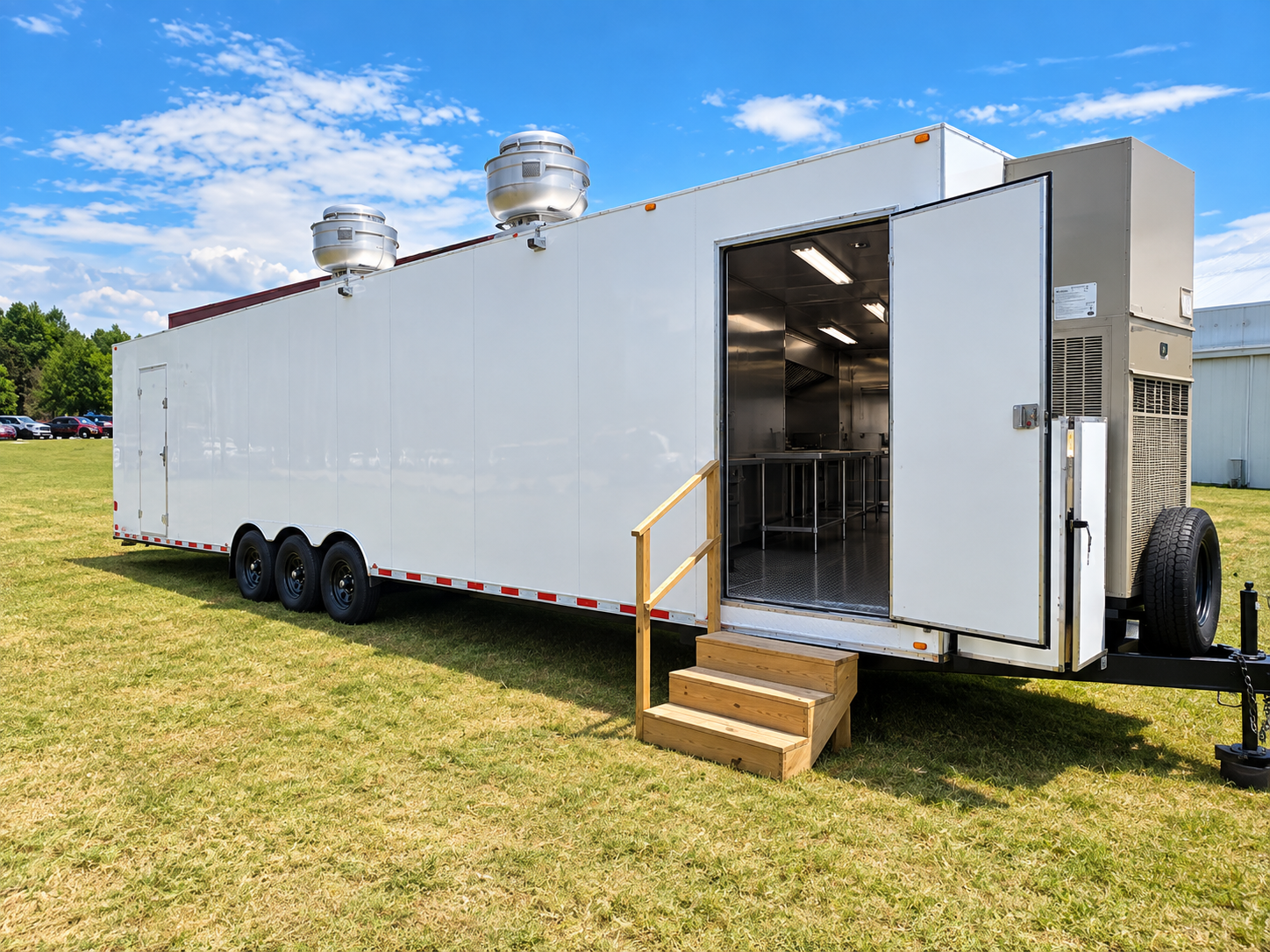
Meal demand can change again when people return
The Salvation Army’s own account of the 2023 Yellowknife wildfire response describes a mobile kitchen supporting first responders and food service continuing into the return period. This was that organisation’s deployment, not work by this brand. The useful lesson is that a temporary operation may need to adapt as the people being served and the receiving locations change, rather than end automatically when the first emergency phase is over.
For a similar commercial response project, we can discuss a kitchen rental around the next stage of food production. Identify who will cook, whether meals are served at the kitchen or collected elsewhere, and which tasks are required as facilities reopen. A preparation and cooking layout with a defined collection point can help your team manage a changing timetable. Confirm the receiving property and transport feasibility before choosing the equipment; this is a proposed response, with no claim that a rental would have replaced the historical relief operation.
Sources for this local guidanceExternal planning sources · opens in a new tab
A changed serving location changes the permit conversation
NWT Health and Social Services says a food-establishment permit is specific to one location and asks applicants for a menu, floor plan and operating hours. That is particularly relevant if a temporary operation may move between response and return sites. Give the Environmental Health Unit the actual location and planned activity so the operator understands the review needed, rather than assuming an earlier location’s arrangements cover the next one.
We can discuss a rental kitchen against that operating brief and the usable facilities at the chosen property. In an institution, separate cooking tasks from the retained dining and distribution arrangements. For a response team, define how ingredients and meal collections will be organized while the operation is active. It is the combination of staff, connections and workflow that makes temporary space useful. The equipment proposal supports that plan; local permission, safe operation and serving responsibilities remain with the agreed project participants.
Sources for this local guidanceExternal planning sources · opens in a new tab
Regional communities need separate transport assessments
Official NWT sources identify the Yellowknife Highway and publish highway-condition information, including seasonal routes and ferries in the wider territory. Nearby and regional communities have different access arrangements; they should not be treated as a single local truck-delivery area. Dettah, Ndilǫ, Behchokǫ̀, Whatì, Fort Providence and Łutselk’e are named here as geographic enquiry context, with the receiving location and transport method needing their own review.
For a Yellowknife project, send the equipment receiving entrance, placement space and confirmed water, power and wastewater arrangements. For another community, start by discussing whether transport and receiving are feasible at all, before a kitchen configuration or date is promised. We can assess the enquiry against those details and provide project-specific availability and quote information. The service page offers a way to begin that planning conversation, not a commitment to normal road delivery, local stock or a guaranteed arrival period across the territory.
Sources for this local guidanceExternal planning sources · opens in a new tab
Nearby communities for your project brief
Include the actual receiving community and full address in your enquiry. These places give geographic context for planning; availability and transport are confirmed for your destination.
- Dettah
- Ndilǫ
- Behchokǫ̀
- Whatì
- Fort Providence
- Łutselk’e
Community referencesExternal planning sources · opens in a new tab
Local access context for the receiving site
NWT Infrastructure identifies Highway 3 as the Yellowknife Highway connecting with Highway 1 near Fort Providence.
Transport and location referencesExternal planning sources · opens in a new tab
Rental terms, delivery and setup
Operating hours are 24/7, with one-week and monthly rental terms. GPS tracking is available on request. Pricing is confirmed through a project-specific quote, and delivery timing is agreed for the location and requested schedule.
Use approximately 5 hours for kitchen setup, 4–6 hours for ramp setup and 5–15 minutes for stairs. These are separate planning estimates; confirm the installation sequence, access arrangement and site readiness for the selected kitchen.
Before you rent
Frequently asked questions
Answers about rental formats, equipment, connections and receiving arrangements.
Send your kitchen requirementsCan the temporary Yellowknife kitchen move to a different serving site?
A move needs another receiving and operating assessment. NWT guidance says food-establishment permits are location-specific, so the operator should discuss a changed location with Environmental Health.
Are all regional communities normal road-delivery destinations?
No. The named communities have different access arrangements. Give the exact destination so transport method and receiving feasibility can be assessed separately.
What makes a Yellowknife quote useful?
Identify the meals, cooking tasks, receiving location, workable water and power arrangements, staff plan and dates. For a response project, explain how meal demand may change during return.
Your next kitchen project