Boston commercial kitchen rental for temporary production
Boston temporary kitchen leasing needs a workable equipment layout and the preparation routines that staff must carry through a closure. For planned construction or emergency kitchen repairs, describe ingredient handling and any allergy-related separation before proposing outdoor cooking space. Temporary Commisary Kitchens 123 International discusses one-week and monthly rental terms with universities, hospitals, restaurants, hospitality operators and commercial employers. Pair the interim menu with a placement drawing showing how supplies arrive and finished food returns indoors. Delivery coordination starts with the full address, receiving entrance and confirmed site connections. Send that operating plan and required dates to request availability and a project quote.
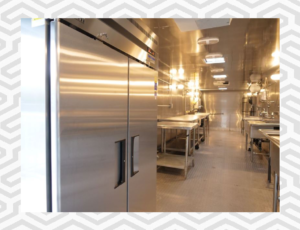
Start with the menu and the proposed property position
Boston’s food-truck health and fire guidance asks for equipment plans and a sample menu during plan review and addresses the use of private sites. For an interim commercial production kitchen, ask the relevant local teams how the actual proposed operation should be reviewed. The useful starting point is a menu and placement drawing together, rather than choosing equipment first and assuming a constrained property can accommodate the resulting arrangement.
We can discuss a rented kitchen around the preparation and cooking tasks your operator needs to keep doing. Mark the receiving entrance, utility points and food-transfer route on the property drawing, with the equipment footprint assessed against those functions. If some work can remain indoors, explain that division before adding tasks to the rental brief. A project quote is more useful when the proposed position and interim operation have both been defined.
Sources for this local guidanceExternal planning sources · opens in a new tab
An allergy routine should survive the kitchen move
Boston University’s dining information describes support for students managing food allergies, including specialist staff, preparation arrangements and packaged foods in designated pantries. That local example shows why an institutional kitchen move must account for more than the main menu. Identify the preparation routines, ingredient information and working separation your operator needs to preserve when some or all cooking moves to another space during the permanent kitchen’s closure.
Temporary Commisary Kitchens 123 International can discuss the required preparation surfaces and cooking positions around that interim workflow. Your food-service manager should set out which tasks need particular handling and which suitable indoor workstations remain available. If the existing space closes completely, include the displaced duties in the enquiry. A rental can provide alternative workspace while the building changes, with the menu and its handling requirements considered alongside the physical layout.
Sources for this local guidanceExternal planning sources · opens in a new tab
The food handoff can decide whether a position is workable
Boston University’s dining directory includes different meal formats and campus locations. For your own Boston institution or commercial property, list the service points that must still receive food during construction and walk the proposed handoff with the staff who perform it. A kitchen footprint may fit on paper while ingredient receiving or cart movement becomes awkward at the operating entrance. Resolve that working route before treating the placement as settled.
We can compare rental configurations against a receiving plan that covers both delivery and everyday use. Show how supplies arrive, where cooks enter and where finished food returns indoors, including later construction phases that change those movements. The kitchen may let your team retain nearby production instead of moving every preparation task off site. Request availability with the menu, work stages and confirmed address so the quote reflects an arrangement staff can operate throughout the shutdown.
Sources for this local guidanceExternal planning sources · opens in a new tab
Nearby communities for your project brief
Include the actual receiving community and full address in your enquiry. These places give geographic context for planning; availability and transport are confirmed for your destination.
- Cambridge
- Somerville
- Chelsea
- Everett
- Quincy
- Revere
- Brookline
Community referencesExternal planning sources · opens in a new tab
Local access context for the receiving site
Boston’s Inspectional Services food-truck guidance identifies 1010 Massachusetts Avenue as an inspection location, not the delivery destination for your temporary kitchen.
Transport and location referencesExternal planning sources · opens in a new tab
Rental terms, delivery and setup
Operating hours are 24/7, with one-week and monthly rental terms. GPS tracking is available on request. Pricing is confirmed through a project-specific quote, and delivery timing is agreed for the location and requested schedule.
Use approximately 5 hours for kitchen setup, 4–6 hours for ramp setup and 5–15 minutes for stairs. These are separate planning estimates; confirm the installation sequence, access arrangement and site readiness for the selected kitchen.
Before you rent
Frequently asked questions
Answers about rental formats, equipment, connections and receiving arrangements.
Send your kitchen requirementsWhat should we prepare before discussing a Boston kitchen position?
Boston’s food-truck health and fire guidance asks for equipment plans and a sample menu. Ask the relevant teams how your interim production operation should be reviewed. For the rental enquiry, provide those working details with a property drawing showing connections, receiving and the route to indoor service.
How can a Boston campus keep its allergy preparation routine during construction?
Boston University’s dining information describes specialist support and designated preparation arrangements. At your own institution, explain ingredient handling, working separation and suitable indoor stations that remain available. Your food-service manager should define the duties the rented workspace must take over; equipment alone does not establish the food-handling routine.
What can make a Boston kitchen position workable beyond its footprint?
The ingredient entrance, staff route and food handoff must work through the operating day. Boston University’s dining directory illustrates multiple campus meal formats and destinations. Walk your proposed routes with staff and identify later construction changes, then include that receiving plan and interim menu with the availability request.
Your next kitchen project