Providence portable commercial kitchen rentals
Providence portable kitchen rentals let commercial food teams examine a smaller interim cooking arrangement when the available receiving area cannot reproduce their entire permanent kitchen. Temporary Commisary Kitchens 123 International can review mobile and temporary kitchen needs during planned refurbishment or an emergency closure. One-week and monthly rental terms support restaurants, campus operators and institutions defining the functions that must continue. Tell us the Providence street address, measured placement area, essential menu tasks and agreed connections so delivery and staff access can be assessed. Request availability and a project-specific quote for a kitchen arrangement that fits your operating brief.
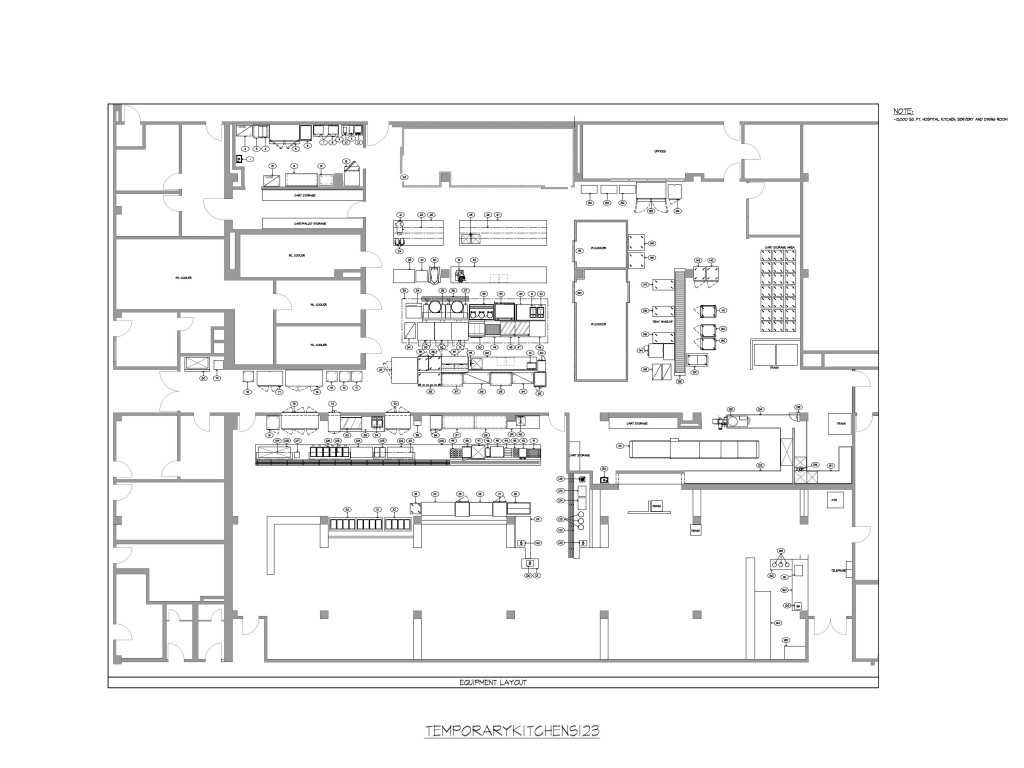
A smaller footprint starts with fewer agreed tasks
Rhode Island’s food-service guidance distinguishes restaurants, mobile food service and caterer or commissary operations that prepare food in one place and serve it elsewhere. It also tells operators moving a restaurant to a new location to reapply for licensing. For a Providence refurbishment, that makes the location of each preparation task part of the approval conversation. If the only alternative area is small, ask the reviewer how the proposed kitchen relates to your existing premises before assuming every task can simply move outdoors.
Start the rental brief with what must be cooked during the closure. Decide which dishes your team can remove from the interim menu and which functions can remain in authorised indoor space. Then measure the placement area, working access and approach for equipment. We can discuss a temporary kitchen for the agreed essential tasks, with suitability checked against those dimensions. This gives the property and food-service teams a concrete arrangement to evaluate instead of an open-ended request to fit the whole permanent kitchen into a smaller receiving position.
Sources for this local guidanceExternal planning sources · opens in a new tab
Keep specialist preparation requirements visible in the brief
Brown University reported new kosher and allergen-aware kitchens and an enhanced halal station at Sharpe Refectory in September 2023. The local project shows that a dining operation can deliberately separate preparation responsibilities rather than treating all meals as interchangeable. It is a completed university improvement, not evidence of a brand project or a rental kitchen’s credentials. For another institution considering limited temporary space, the lesson is to identify any preparation controls that constrain which tasks can share stations, equipment or the same working period.
Explain those requirements before discussing a rental layout. Your operator should decide whether the temporary menu can safely simplify production and which processes must remain separate or stay indoors. Temporary Commisary Kitchens 123 International can review the resulting cooking-space requirement without claiming that a supplied unit carries the university’s religious or allergen arrangements. Identify who approves the interim workflow and who supervises it during service. Clear boundaries help the equipment proposal fit the institution’s own food-management decisions while repairs or building work continue.
Sources for this local guidanceExternal planning sources · opens in a new tab
Include access and connection work in the placement decision
Providence’s e-permitting page combines building applications with fire-plan review where applicable and distinguishes city and state fire jurisdiction for some licensed businesses. The practical point is to describe the whole placement proposal, including any connection or site work, rather than treating a rental agreement as its approval. RIDOH separately describes pre-application guidance for businesses using on-site drinking-water wells or wastewater systems. Ask the relevant offices how those published processes apply to your actual property and interim kitchen, with the proposed operator and service period identified.
A constrained receiving area needs a credible daily staff route as well as room for the kitchen. Show where cooks enter, ingredients arrive and completed food leaves, and identify any doorway shared with the refurbishment crew. Send photographs and measured clearances with your enquiry. If an alternative property in Cranston or Pawtucket offers more space, compare its meal-transfer journey before changing the address. We can assess a kitchen proposal against the chosen footprint and workflow, then discuss availability, delivery and a quote for that specific arrangement.
Sources for this local guidanceExternal planning sources · opens in a new tab
Nearby communities for your project brief
Include the actual receiving community and full address in your enquiry. These places give geographic context for planning; availability and transport are confirmed for your destination.
- Cranston
- Warwick
- Pawtucket
- East Providence
- Central Falls
Community referencesExternal planning sources · opens in a new tab
Local access context for the receiving site
RIDOT identifies the Providence I-95 Viaduct as a local interstate project; review the current vehicle approach and measured receiving entrance before confirming kitchen delivery.
Transport and location referencesExternal planning sources · opens in a new tab
Rental terms, delivery and setup
Operating hours are 24/7, with one-week and monthly rental terms. GPS tracking is available on request. Pricing is confirmed through a project-specific quote, and delivery timing is agreed for the location and requested schedule.
Use approximately 5 hours for kitchen setup, 4–6 hours for ramp setup and 5–15 minutes for stairs. These are separate planning estimates; confirm the installation sequence, access arrangement and site readiness for the selected kitchen.
Before you rent
Frequently asked questions
Answers about rental formats, equipment, connections and receiving arrangements.
Send your kitchen requirementsCan we request a kitchen rental for a small Providence receiving area?
Yes. Send measured clearances, entrance photographs and the essential cooking tasks; the proposed equipment and delivery still need a site-specific suitability review.
Does the Brown example establish religious or allergen credentials for a rental?
No. It illustrates the operator’s need to define separate preparation responsibilities. No university affiliation or rental-unit certification is claimed.
What if food is prepared at another Rhode Island address?
Ask RIDOH how the licensing category and location change apply to the actual operation. Include both preparation and serving addresses in the rental enquiry.
Your next kitchen project