Charleston mobile kitchen rentals for coastal recovery
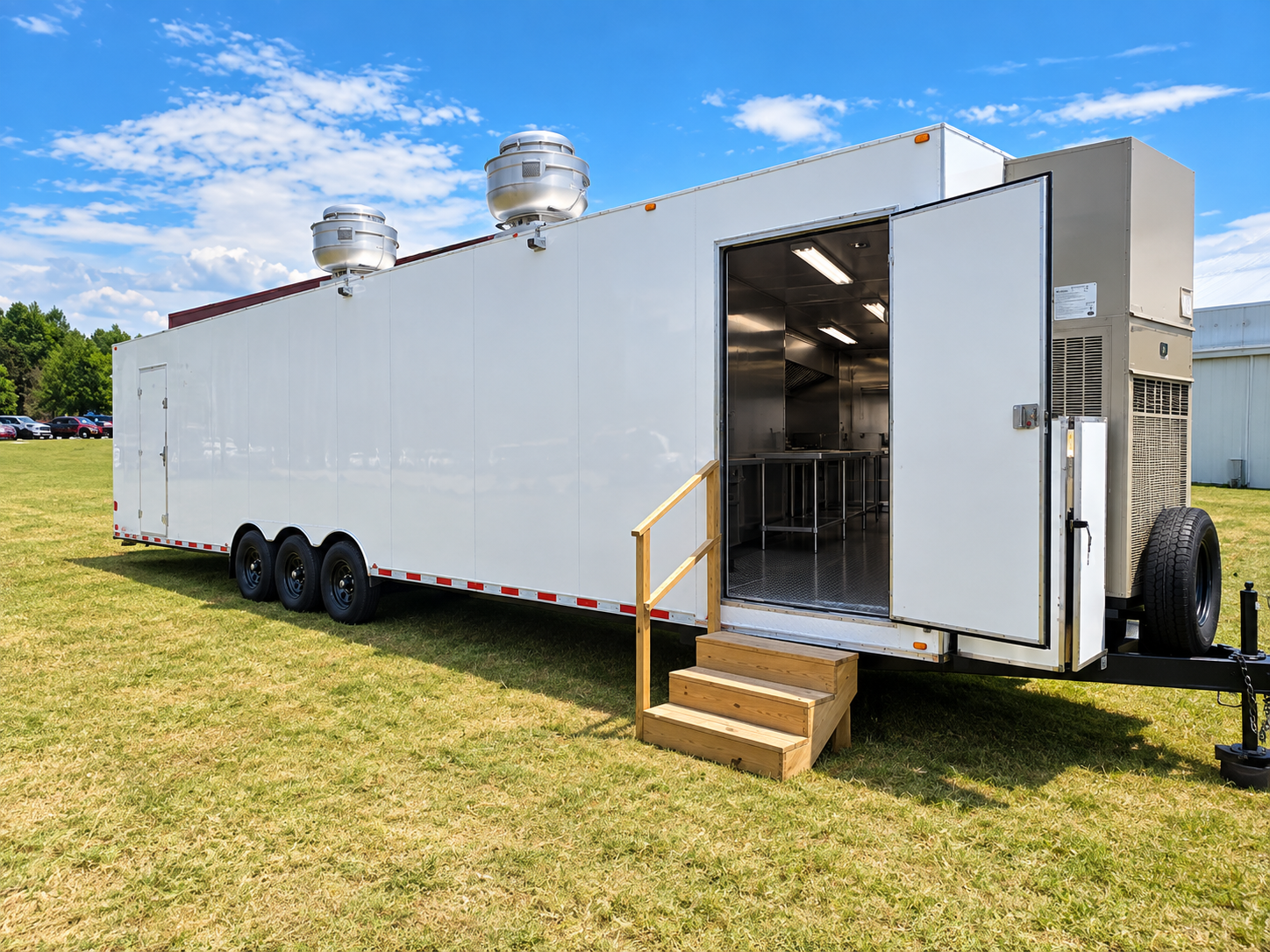
Charleston mobile kitchen rentals offer an alternative cooking space to assess when flood recovery separates a food operation from its usual premises. Temporary Commisary Kitchens 123 International discusses temporary commercial kitchens for emergency interruptions and planned restoration, with one-week and monthly terms. Restaurants, hotels and institutional food teams can identify the dishes they need to keep preparing while the original room is assessed. Supply the actual Charleston receiving address, usable connections and access route; the city’s tide and road-closure tools help inform delivery coordination. Request kitchen availability and a project-specific quote for your proposed recovery location.
A local flood record shows why the alternative address matters
Charleston’s December 2025 Hazard Mitigation Plan records flooding inside Tabbuli Grill on North Market Street on July 11, 2012. Its account also describes flooded market-area side streets and impassable spots at East Bay and Calhoun Streets. The record establishes water intrusion at a local restaurant; it does not establish a closure length, food losses or a kitchen-rental response. The useful lesson for another operator is that damage to the cooking premises and access problems around them can happen together, complicating a proposed temporary location.
For a comparable future interruption, first decide whether the property team considers the original receiving area usable. A kitchen at another authorised address could let staff prepare an agreed reduced menu while the damaged room is evaluated. That benefit depends on the alternative site’s own conditions, not simply its distance from the restaurant. Tell us where cooking would occur, where meals would be served and how staff would move between them. We can review the equipment tasks for that arrangement without assuming that an affected courtyard or parking area is ready for placement.
Sources for this local guidanceExternal planning sources · opens in a new tab
Food recovery and kitchen placement need separate decisions
South Carolina’s Department of Agriculture publishes separate retail-food guidance for flood recovery, water emergencies and power outages. Its flood page directs affected establishments to follow recovery guidance before serving food when it is safe to act. SCDA also regulates retail-food operations, including restaurants, institutions and mobile establishments. A temporary cooking space does not resolve the condition of ingredients, the original building or its water supply. Ask the food-safety contact to review those questions alongside the proposed operation at the alternative address.
Build the rental brief from the tasks your operator can carry out under the agreed recovery arrangement. Explain which preparation would move, what remains usable indoors and who provides verified connections at the receiving property. SCDA’s mobile-establishment guidance discusses the relationship between a unit and its commissary; ask the agency whether that category applies to your particular replacement setup. Temporary Commisary Kitchens 123 International can discuss kitchen suitability and rental pricing from this brief, with the operator and authorities deciding the permissions and food-handling controls.
Sources for this local guidanceExternal planning sources · opens in a new tab
Check the working route as conditions change
Charleston’s TIDEeye brings tide forecasts, weather information and road conditions into one public tool. The city explains that actual water levels can differ from predicted tides because of weather. For a kitchen enquiry, use that information to identify questions for the transport and property contacts rather than interpreting a favourable forecast as permission to travel. The proposed delivery approach, staff entrance and daily food collection route may have different vulnerabilities; review each against current closures and the property team’s advice.
Name the receiving gate and provide photographs of the final approach. If food will return to a hotel or institution elsewhere, show that journey too. North Charleston, Mount Pleasant, Hanahan, Goose Creek and Summerville offer geographic context for discussing an actual alternative property, without establishing stock or delivery availability there. We can review a cooking-space proposal around the chosen address and the operator’s transfer routine. Send that information with the intended rental period to request a specific availability assessment and delivery quote.
Sources for this local guidanceExternal planning sources · opens in a new tab
Nearby communities for your project brief
Include the actual receiving community and full address in your enquiry. These places give geographic context for planning; availability and transport are confirmed for your destination.
- North Charleston
- Mount Pleasant
- Hanahan
- Goose Creek
- Summerville
Community referencesExternal planning sources · opens in a new tab
Local access context for the receiving site
Charleston’s published Reindeer Run route identifies Meeting Street and White Point Gardens; confirm current access restrictions and the actual receiving entrance for a downtown kitchen delivery.
Transport and location referencesExternal planning sources · opens in a new tab
Rental terms, delivery and setup
Operating hours are 24/7, with one-week and monthly rental terms. GPS tracking is available on request. Pricing is confirmed through a project-specific quote, and delivery timing is agreed for the location and requested schedule.
Use approximately 5 hours for kitchen setup, 4–6 hours for ramp setup and 5–15 minutes for stairs. These are separate planning estimates; confirm the installation sequence, access arrangement and site readiness for the selected kitchen.
Before you rent
Frequently asked questions
Answers about rental formats, equipment, connections and receiving arrangements.
Send your kitchen requirementsDoes the Tabbuli Grill account document a rental kitchen deployment?
No. The city records flooding at the restaurant in July 2012. The alternative-kitchen discussion is our prospective analysis, without a claim of brand involvement or a confirmed closure duration.
Can a Charleston kitchen be placed at the flood-affected premises?
The property team and relevant authorities must assess whether that receiving area is usable. Share an alternative address if the original site cannot support the proposed cooking arrangement.
Should we confirm access only on the day equipment is received?
Review both the equipment approach and the daily staff and meal-transfer routes. Charleston’s TIDEeye and closure information provide changing local context; delivery remains project-specific.
Your next kitchen project